Topic: research

College Vaccines
A study co-authored by Emily Cook, assistant professor of economics, shows that colleges that required COVID-19 vaccinations averted an average of 339 cases per 100,000 residents and almost 7,300 deaths within their surrounding communities in fall 2021. The research group used data on colleges’ vaccination policies, semester start dates and county-level public health outcomes. https://tulane.it/college-vaccines
Cells' Nutrients
Tulane immunologist Clovis Palmer analyzed the metabolic changes that occur in cells when viral invaders, such as HIV, hepatitis B, or SARS-CoV-2, pose a threat. Palmer concluded that the way in which cells use nutrients in the presence of a viral pathogen can determine disease outcome and severity.https://tulane.it/cell-nutrients

FREE NEUTRONS
Fred Wietfeldt, professor and chair of physics and engineering physics, has been awarded an $8.2 million grant from the National Science Foundation — the largest ever direct NSF award to Tulane.
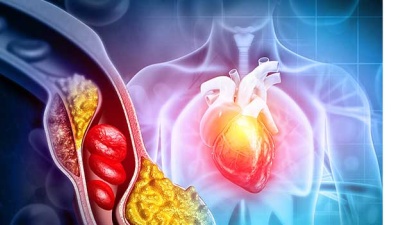
WHAT TRIGGERS STROKES?
For the first time, researchers at Tulane University and Ochsner Health were able to genetically sequence plaque tissue collected from patients within days after a stroke.
MENSTRUAL CHANGES
Katharine Lee, assistant professor of anthropology, co-authored a study that found COVID-19 vaccines affected people’s menstrual periods, especially those who don’t typically have periods due to long-acting contraceptives, gender-affirming hormone treatments or menopause. The study began shortly after vaccines became widely available and individuals reported through social media changes in their menstrual cycles after receiving the vaccines.https://tulane.it/menstrual-changes
VASCULAR EFFECTS
Researchers are investigating the role endothelial cells play in the development of severe and long COVID-19. The cells line blood vessel walls and can malfunction following SARS-CoV-2 infection. This dysfunction can cause blood clotting in organs, as seen in the most severe COVID-19 cases. Dr. Xuebin Qin of the Tulane National Primate Research Center is leading the research. https://tulane.it/vascular-effects

Investigations of the Brain
The Tulane Brain Institute under the leadership of psychology professor Jill Daniel is answering some of the biggest questions in brain science, from aging and estrogen therapy to fear and trauma. The institute involves researchers and students from all parts of the university.
METABOLIC SYNDROME
Patients hospitalized with COVID-19 who had a combination of high blood pressure, obesity, diabetes or other conditions associated with metabolic syndrome were at much higher risk of acute respiratory distress syndrome and death, according to a study published in the medical journal JAMA Network Open. Dr. Joshua Denson, assistant professor of medicine, was the study’s lead author.https://tulane.it/metabolic-syndrome
VIRUSES IN WASTEWATER
The Environmental Protection Agency has awarded a $1.24 million grant to a research team to come up with standards for measuring viruses and other pathogens in treated wastewater for water re-use projects. Samendra Sherchan, associate professor in the Department of Environmental Health Sciences and director of the Water Quality Lab at the School of Public Health and Tropical Medicine, is part of the team.https://tulane.it/viruses-in-wastewater
VIRAL DOSE AND DISEASE SEVERITY
Chad Roy, professor of microbiology and immunology and director of infectious disease aerobiology at the Tulane National Primate Research Center, and Dr. Gregory Bix, professor and vice chair of neurosurgery and neurology, director of COBALT (COVID-19 Biobank and Library at Tulane), and director of the clinical neuroscience research center, were among a team of scientists who co-authored a review of 115 peer-reviewed studies in Clinical Infectious Diseases.https://tulane.it/viral-dose-disease-severity